
2.4K
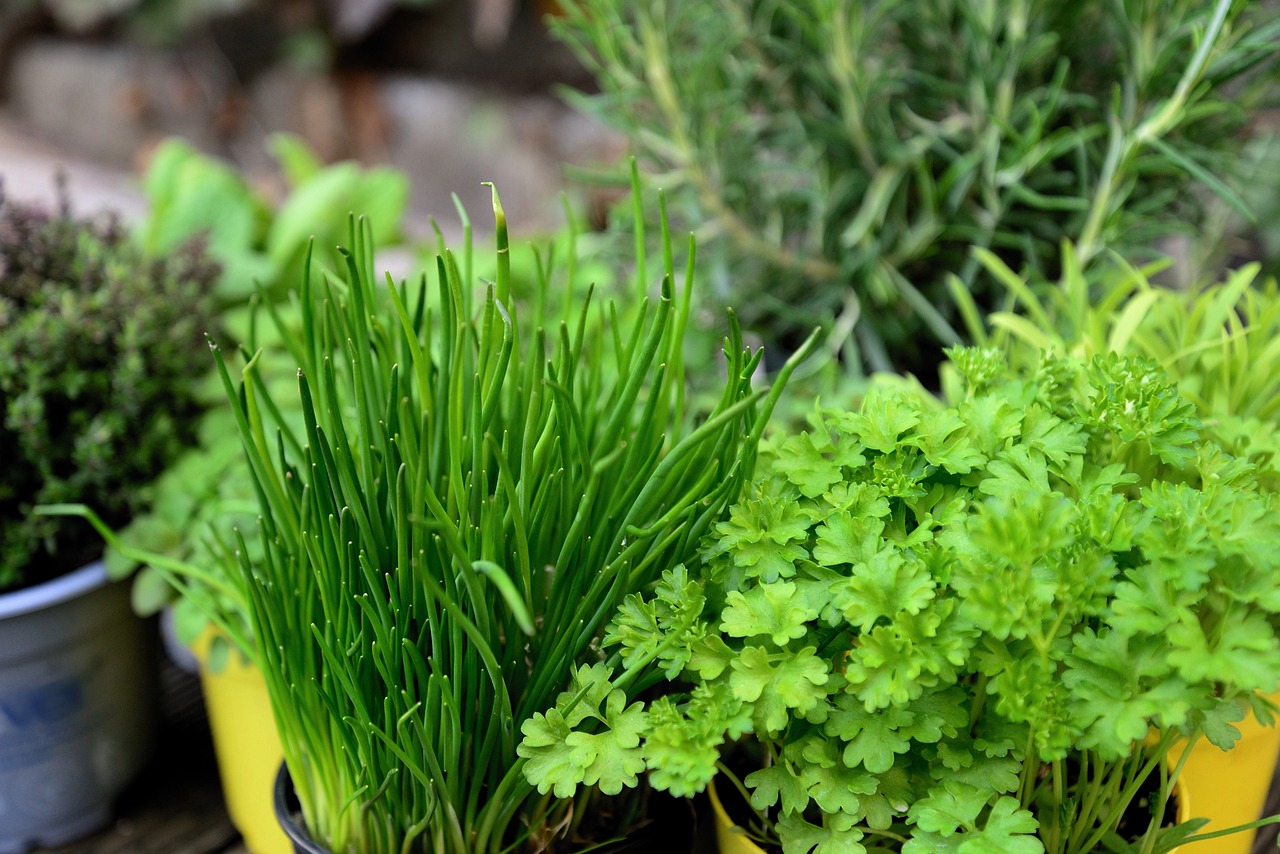
Herbs are the unsung heroes of the culinary world. A small sprinkle can provide a burst of flavour to a dull dish. Nothing compares to the rich perfume and complex flavour of fresh herbs, even though dried herbs are more convenient. Although it’s best to grow your own, even a small amount from the grocery store may make a big difference in your cuisine. Let’s look at some of the must-have fresh herbs for your kitchen that will make your food flavourful.
7 Must-Have Fresh Herbs for Your Kitchen
The following five fresh herbs are essential for any kitchen.
Basil
- Flavour Profile: Sweet, slightly peppery, with hints of anise.
- Culinary Uses:
- Italian Cuisine: A cornerstone of pesto, essential for caprese salad, and a perfect addition to marinara sauces.
- Beyond Italy: Adds freshness to stir-fries, soups, and grilled vegetables.
- Tips: Use fresh basil generously, as its flavour can diminish quickly when cooked.
Cilantro
- Flavor Profile: Bright, citrusy, and slightly pungent.
- Culinary Uses:
- Mexican Cuisine: Indispensable in salsas, guacamole, and Mexican rice.
- Indian Cuisine: A key ingredient in chutneys, curries, and raitas.
- Global Appeal: Adds freshness to soups, stews, and marinades.
- Tips: Some people experience a genetic aversion to cilantro, known as cilantro-disliking. If you’re unsure, start with a small amount.
Mint
- Flavor Profile: Cool, refreshing, with a slightly sweet and slightly bitter taste.
- Culinary Uses:
- Mideastern Cuisine: Essential for tabbouleh, mint sauce (for lamb), and refreshing beverages like mojitos.
- Indian Cuisine: Used in raitas, chutneys, and some curries.
- Global Appeal: Adds a unique flavour to lamb dishes, fruit salads, and iced tea.
- Tips: Use sparingly, as mint can overpower delicate flavours.

Parsley
- Flavor Profile: Mild, slightly grassy, with a hint of lemon.
- Culinary Uses:
- Versatile Use: A staple in French cuisine, used in sauces (like persillade), soups, stews, and as a garnish.
- Mediterranean Cuisine: Adds freshness to tabbouleh, Greek salads, and hummus.
- Tips: Curly parsley is more decorative, while flat-leaf (Italian) parsley has a stronger flavour.
Thyme
- Flavour Profile: Slightly woody, with a warm, earthy, and slightly lemony aroma.
- Culinary Uses:
- French Cuisine: A classic herb for soups, stews, and roasted meats (especially poultry and lamb).
- Mediterranean Cuisine: Used in herb blends like herbes de Provence.
- Tips: Thyme holds its flavour well when cooked, making it ideal for slow-cooked dishes.
Dill
- Flavour Profile: Bright, slightly pungent, with a hint of anise.
- Culinary Uses:
- Scandinavian Cuisine: A quintessential herb in Swedish and Norwegian cuisine, often used in gravlax (cured salmon), dill sauce, and potato dishes.
- Mediterranean Cuisine: Adds freshness to Greek salads, dips like tzatziki, and seafood dishes.
- Other Applications: Pairs beautifully with fish (especially salmon and cod), cucumbers, and potatoes.
- Tips: Use fresh dill sparingly, as its flavour can be quite strong.
Rosemary
- Flavour Profile: Woody, slightly piney, with a warm, earthy aroma.
- Culinary Uses:
- Mediterranean Cuisine: A key ingredient in roast lamb, chicken, and pork.
- Italian Cuisine: Adds depth to soups, stews, and roasted vegetables.
- Other Applications: Pairs well with potatoes, garlic, and other root vegetables.
- Tips: Rosemary holds its flavour well when cooked, making it ideal for long-cooking methods like roasting and braising.

Tips for Using Fresh Herbs
- Buy in season: Fresh herbs are at their peak flavour when in season.
- Store properly: Wrap in a damp paper towel and store in the refrigerator’s crisper drawer.
- Wash thoroughly: Rinse herbs gently under cold water to remove any dirt or debris.
- Use a sharp knife: Finely chop herbs for maximum flavour.
- Add at the right time: Add delicate herbs like basil and mint at the end of cooking to preserve their flavour.
Beyond The Food
- Garnish: Fresh herbs add a touch of elegance to any dish.
- Infused water: Add fresh herbs to water for a refreshing and flavorful drink.
- Herbal teas: Create soothing herbal teas with fresh mint, lemon balm, or chamomile.
By incorporating these five fresh herbs into your cooking, you’ll unlock a world of flavor and elevate your dishes to new heights. So, venture beyond the spice rack and discover the magic of fresh herbs!

2 comments
Wow, like that!
respect